JEE Advanced 2025: Students qualifying JEE (Advanced) 2025 have the opportunity to opt the two new programmes launched by IIT Madras during the upcoming Joint Seat Allocation Authority (JOSAA) Counselling. Both the courses will have a total student strength of 40 each.
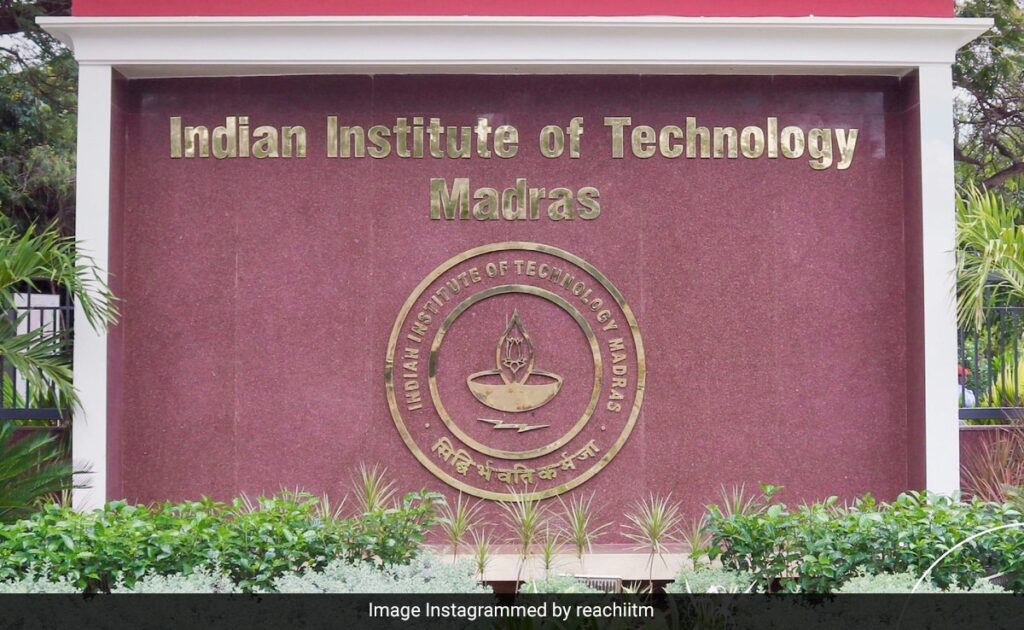
For the new academic year 2025-26, The Indian Institute of Technology, Madras, has introduced two state-of-the-art undergraduate engineering(B.Tech) courses.
Students successfully clearing JEE Advanced 2025 exam can opt for these two programmes through the upcoming Joint Seat Allocation Authority (JOSAA) Counselling. The Department of Applied Mechanics and Biomedical Engineering, IIT Madras Will be offering these courses. 40 students for each course will be admitted.
The newly rolled out courses are:
BTech Programme in Computational Engineering and Mechanics (CEM) : Course code 412U.
This latest four-year BTech course is aimed to help build careers in digital engineering, in which physical systems, artificial intelligence and computational technologies connect in some way and influence each other. As part of this state-of-the-art course, pioneering computational tools and traditional engineering knowledge are expected to bridge with each other.
Various computational methods like data science and high-performance computing, machine learning, material science, dynamics, along with foundational training in solid and fluid mechanics and electrical engineering (circuits, signals, and embedded systems) will be combined through this programme.
This four years power packed training course ensures really promising careers in industries like robotics, aerospace, automotive, and manufacturing, to growing fields like digital twin design, smart infrastructure, sustainable computing as well as sustainable energy.
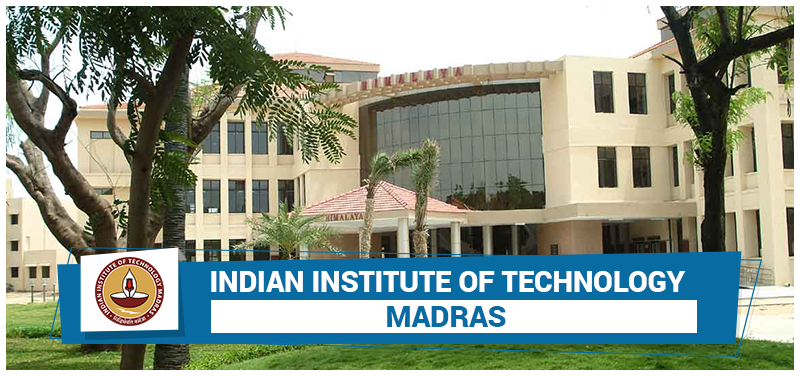
BTech Programme in Instrumentation and Biomedical Engineering (iBME) : Course code 412V.
This new course by IIT Madras will be focussing on providing students with the knowledge to innovate next-generation medical equipments by combining electrical and instrumentation engineering foundational theories and core Biomedical Engineering fundamentals, considering very large scope in growing medical device sector in the country.
This outstanding course design aims to bridge foundational engineering courses with state-of-the-art, application-driven topics such as AI, IoT and web-enabled medical technologies all of which would be revolving around Biomedical Engineering.
This programme will prepare students to develop and design clinically regulated, ethically sensitive devices which would help meeting health related challenges worldwide. This course is expected to encourage major developments in therapeutics and diagnostics.
The programme would make graduates ready for roles such as leadership and entrepreneurship in the emerging medical device industry, AI-driven healthcare systems and rehabilitation technologies.